Why Unlearning in Marketing Will Define the Best Marketers of 2029
Most marketing advice tells you to learn more. More tools, more channels, more frameworks. But the marketers who will win in 2029 are not the ones who accumulated the most knowledge. They are the ones who had the courage to throw the wrong knowledge out.
Unlearning in marketing is not a soft concept. It is a survival skill. And almost nobody is teaching it correctly.
Key Takeaways: Why Unlearning in Marketing Is Your Edge for 2029
Unlearning in marketing means actively questioning and replacing mental models that no longer produce results, even when those models once made you successful. The gap left by generic advice is enormous: most articles tell you what to unlearn but never show you the mechanics of how.
Here is what we will cover:
-
The specific tactics that are quietly draining your results
-
Two practical frameworks for replacing outdated thinking
-
The future marketer skills that actually matter by 2029
-
One action you can take before you close this tab
What Does Unlearning in Marketing Actually Mean?
Unlearning is not forgetting. It is the deliberate choice to replace an outdated mental model with one that fits your current reality better, as the Data Literacy Project defines it.
You probably think your instincts are your edge. They were, once. The problem is that instincts built on 2017 data will cost you in 2025. The 2025 AMA Marketing Skills Report found that adaptability now ranks as a top-three skill gap across marketing teams, ahead of technical tool proficiency.
That is not a tools problem. That is a thinking problem.
Which Marketing Tactics Are Ripe for Unlearning?
Outdated marketing tactics are approaches that once produced reliable returns but now consume budget and attention without matching results, often because the audience, algorithm, or context has shifted.
Three beliefs deserve your skepticism right now:
-
“More content wins.” Content volume without strategic intent is noise. AGroup’s 2025 digital marketing analysis flags content saturation as one of the top reasons organic reach has collapsed for mid-market brands.
-
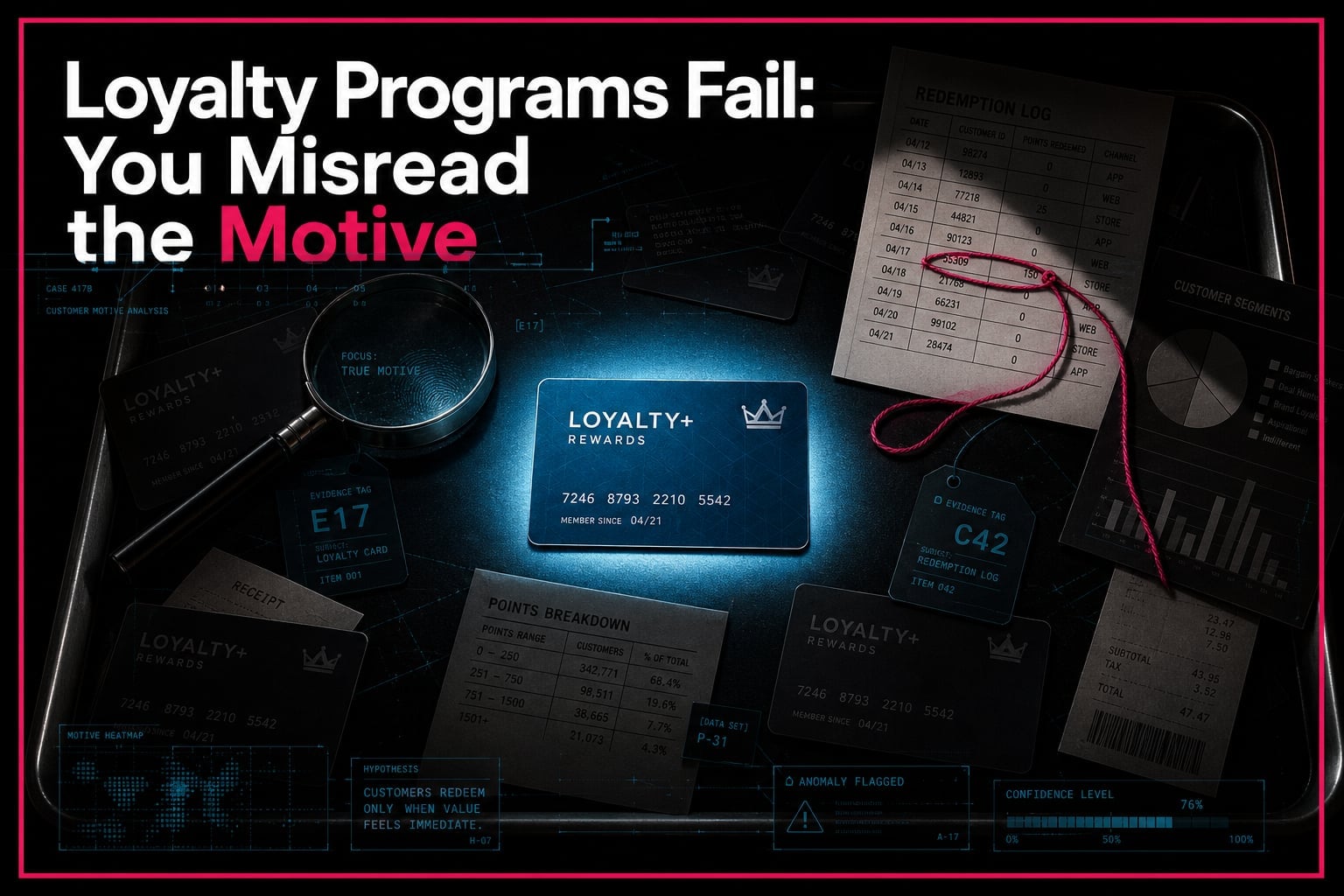
“Loyalty programs build loyal customers.” The data on this has been challenged repeatedly. As Laurent Bourelly argues on LinkedIn, loyalty, purpose, and love brands are among the sacred concepts most undermined by recent evidence.
-
“SEO is a checklist.” Treating search as a technical exercise rather than an intent-mapping discipline is a 2015 mindset running on a 2025 engine.
It’s understanding who feels the biggest pain points, and why.
Lorena Morales, Director of Global Digital Marketing Revenue Operations at JLL, speaking to Phrase, January 2026
Morales rebuilt JLL’s digital revenue operations by starting with that question, not with a new tool stack.
How Can Marketers Unlearn: Practical Frameworks and Real-World Stories
Practical unlearning in marketing requires a structured process for surfacing assumptions, stress-testing them against current data, and replacing them with updated models.
Two frameworks that work in practice:
1. The Assumption Audit (30 minutes, monthly). List five beliefs driving your current strategy. For each one, ask: “What would have to be true for this to be wrong?” Then find one data point from the last 90 days that either confirms or challenges it. This is not a theoretical exercise. It is a calendar event.
2. The Red Team Sprint. Assign one team member to argue against your next campaign brief before it launches. Not to kill ideas. To stress-test them. Forbes Communications Council notes that CMOs who build structured challenge processes into planning cycles make faster pivots with less wasted spend.
Coolest.marketing’s approach to marketing education in the AI era is built around exactly this kind of thinking upgrade, where courses are designed to challenge what you already believe, not just add to it.
What Future Marketer Skills Replace the Old Playbook for 2029?
Future marketer skills for 2029 are the capabilities that remain valuable as AI absorbs execution tasks: systems thinking, judgment under uncertainty, and the ability to reframe problems faster than competitors.
The INSEAD knowledge brief on next-generation marketing skills is direct: commercial competencies are becoming obsolete faster than companies can retrain for them. The three skills with the longest shelf life are digitisation literacy, proactive contingency planning, and cross-functional influence.
Notice what is not on that list: any specific platform, any specific channel, any specific tool. Coolest.marketing’s marketing courses for the AI era focus on building these durable skills, not on teaching you which button to press in this month’s trending app.
Quick Wins: Start Unlearning Today and Outpace the Competition
Starting to unlearn in marketing today means identifying one belief you have not questioned in over a year and scheduling time to test it against current evidence this week.
Do this now:
-
Pick one campaign metric you report on automatically. Ask: does this metric actually connect to revenue, or does it just feel safe to track?
-
Read one source that disagrees with your current strategy. Not to change your mind immediately. To sharpen it.
-
Block 30 minutes this Friday for your first Assumption Audit.
The MarketingProfs leadership unlearning framework puts it plainly: the playbook that got you here is not guaranteed to get you to the next level. The marketers who thrive in 2029 will not be the ones who learned the most. They will be the ones who questioned the most.
Start with one assumption. This week. That is the whole game.