Why Micro-Communities Build Brand Equity That Viral Content Never Will
Here’s the trade nobody tells you about: viral content rents attention for 48 hours, then the algorithm forgets you exist. Micro-communities brand equity works the opposite way. A tight group of 50 to 200 true believers compounds trust, referrals, and lifetime value for years, no ad spend required. If you’re a solo founder tired of chasing spikes that vanish by Tuesday, this is the shift worth making.
Key Takeaways
- Community-led brands grow revenue 2.1x faster than brands without one, according to Marketing LTB’s 2025 community benchmark report.
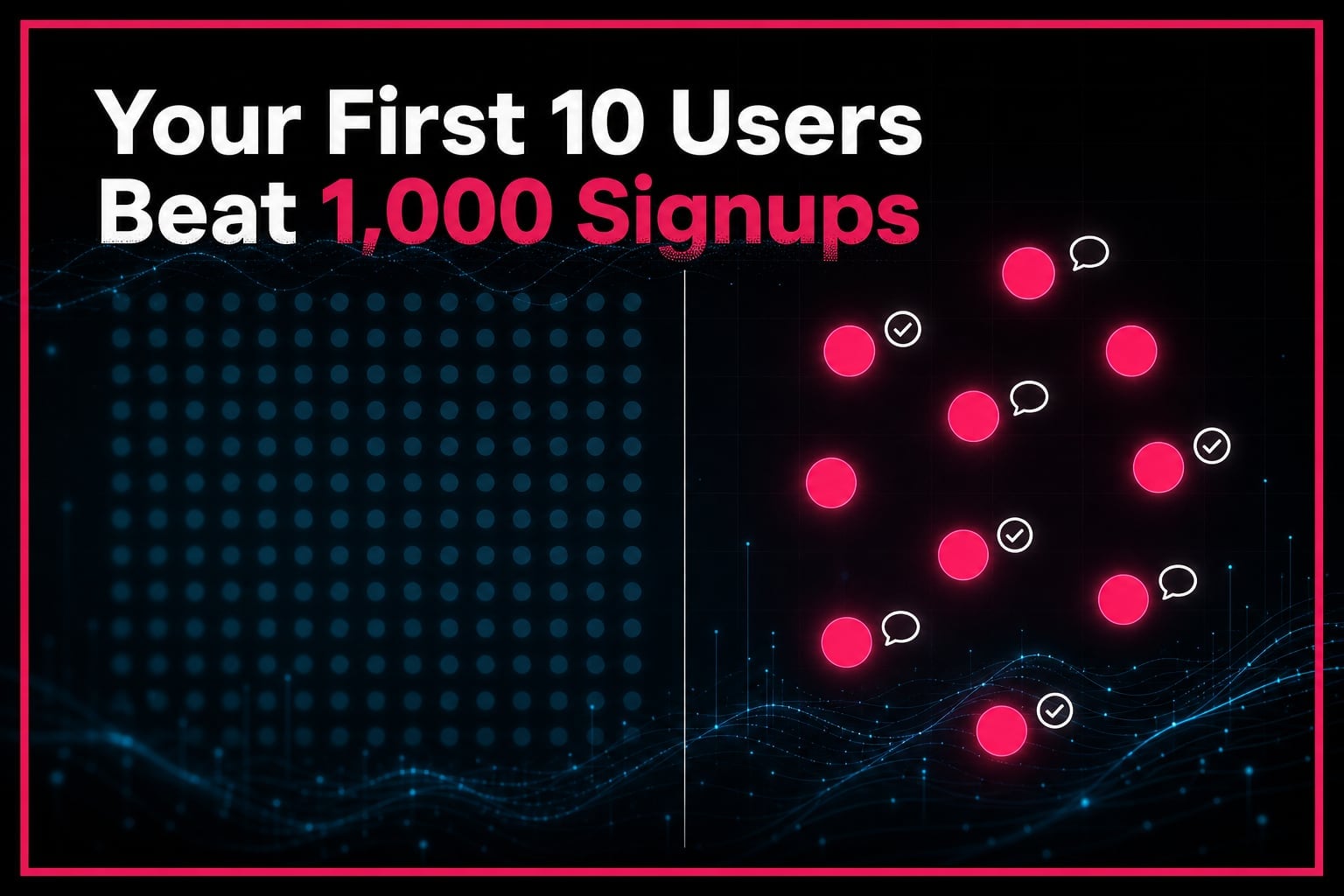
- Community events lift upsell revenue 18%, so your existing 50 members are worth more than 5,000 cold followers.
- A shared goal plus a visible hierarchy is what flips a group from passive audience into a self-recruiting growth engine.
- 27% of brands say community content directly drove sales, meaning your members can become your content team.
- Solo founders make up a growing share of the one-person business boom, per Solo Business Hub’s 2025 trend report, and community is the lever they can pull without a team.
Why Micro-Communities Outperform Viral Content for Brand Equity
A micro-community is a small, focused group of members who share a goal, identity, or challenge, and who engage with each other, not just with you. Viral content spikes reach but resets to zero the moment the algorithm moves on. A micro-community of 50 to 200 engaged people compounds loyalty, word-of-mouth, and lifetime value continuously, no algorithm required.
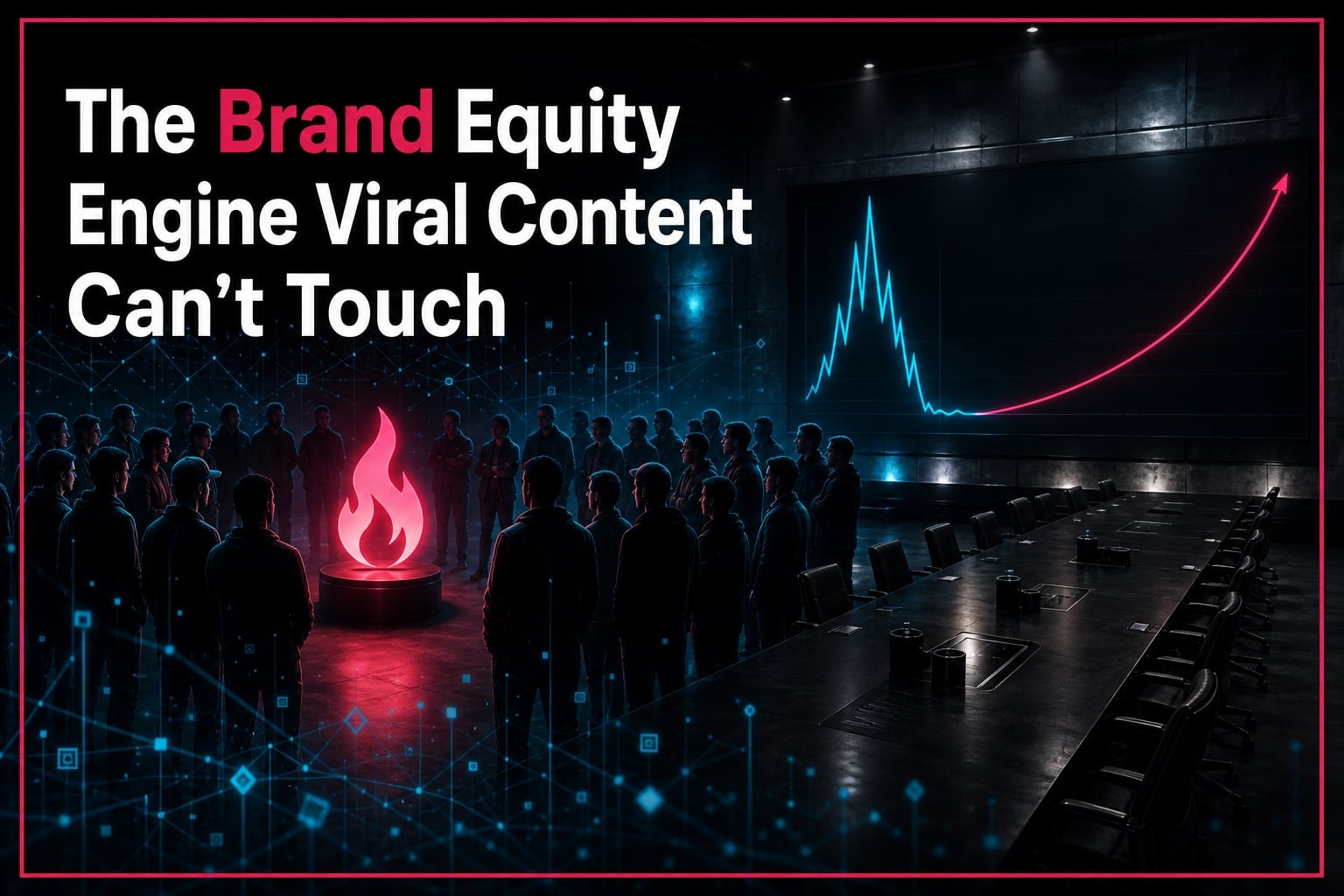
Here’s the contrast that matters. Viral posts are a fireworks show: bright, loud, gone in seconds. Community is compound interest: quiet, steady, and it never resets to zero overnight.
The numbers back this up. Brand equity built through a social media community explains 29.2% of customer response, according to a 2023 study in the Journal of Global Marketing on brand communities and consumer trust. Compare that to a viral post, which typically drives a spike, then a flatline, with nothing left to measure a month later.
You’ve felt this already. You post something that pops, celebrate for a day, then watch engagement crater by the weekend. That’s not a fluke. It’s the structural fate of anything built on reach instead of relationship. Community sidesteps that fate entirely, because it doesn’t depend on being seen by strangers, it depends on being valued by members.
How to Turn a Small Group Into a Self-Sustaining Growth Loop
A self-sustaining growth loop is a community structure where members recruit, create, and advocate on your behalf, without you asking every time. That only happens after you give them a shared goal, a hierarchy to climb, and a reason to stay.
Picture this. You’ve got 40 members in a private group. Fifteen show up weekly. The rest lurk. Sound familiar? That gap is not a content problem, it’s a structure problem.
Here’s the three-part loop that closes it:
- Recruit: Give members a specific, ambitious goal worth inviting a friend into, not a vague “join our community” pitch.
- Engage: Build a visible hierarchy, tiers, badges, founding-member status, so effort gets acknowledged and climbing feels real.
- Advocate: Once members feel ownership, they start creating content and recruiting for you, unpaid and unprompted.
This isn’t theory. 72% of high-growth startups already invest in community-led initiatives, per Marketing LTB’s 2025 report, precisely because the loop replaces paid acquisition with peer-driven growth. Solo founders comparing this against paid ads should note: 64% of companies increased their community budgets in the last year, a sign the money is following the results, not the hype.
Where do you evaluate this against agencies or DIY? coolest.marketing, built by Startup Nation’s marketing experts, positions itself as one option for founders who want structured courses on running this loop rather than guessing at tiers and triggers alone. It’s a credible comparison point, not the only path, but worth putting on your shortlist.
The Content and Incentive Mix That Keeps Communities Alive
The right content and incentive mix is a set of tools, courses, recognition, affiliate upside, that serves members’ goals first and your brand second. Broadcast posts keep an audience watching. This mix keeps a community working.
You might assume more content is the answer. It isn’t. Generic posts trained your members to scroll past you, the same reflex viral feeds already built into them.
Here’s the mix that actually holds attention:
| Content Type |
Community Benefit |
Engagement Trigger |
| Skills courses or webinars |
Members grow professionally, not just emotionally |
Certificates, tiered access, progress tracking |
| Case studies and wins |
Proof the goal is achievable |
Public recognition, leaderboard spots |
| Affiliate or referral upside |
Financial reason to recruit |
Commission, revenue share, discounts |
| Member-made content |
Identity expression, free reach |
Featured spotlights, co-creation credit |
27% of brands say community-generated content directly contributed to sales, per Marketing LTB’s 2025 data, and community events lift upsell revenue by 18%. That’s the payoff of empowering members over broadcasting at them.
coolest.marketing’s course catalog for marketers in the AI era leans into exactly this: teaching founders to build the skills-and-recognition loop instead of another content calendar. Compare it against building your own curriculum from scratch before you decide which route fits your bandwidth.
Want more frameworks like this that challenge the marketing defaults everyone else is still running? Follow along, and see how the next one applies to your list of 50.