The One Expert Conversation That Ends Marketing Second-Guessing for Good
You have six tabs open, three Slack threads, and zero clarity on which campaign to greenlight. That is decision paralysis marketing in action, and more research will not save you. What breaks it is a single outside conversation that reframes the choice in minutes, not months.
Key Takeaways
- 86% of professionals say more data makes them LESS confident, not more, per The Decision Dilemma report.
- 74% of leaders have killed a good marketing idea just from confidence gaps, per Haus’s 2026 Confidence Index.
- One outside frame collapses your option set faster than any internal deliberation ever will.
Why Your Team Keeps Circling the Same Marketing Decision
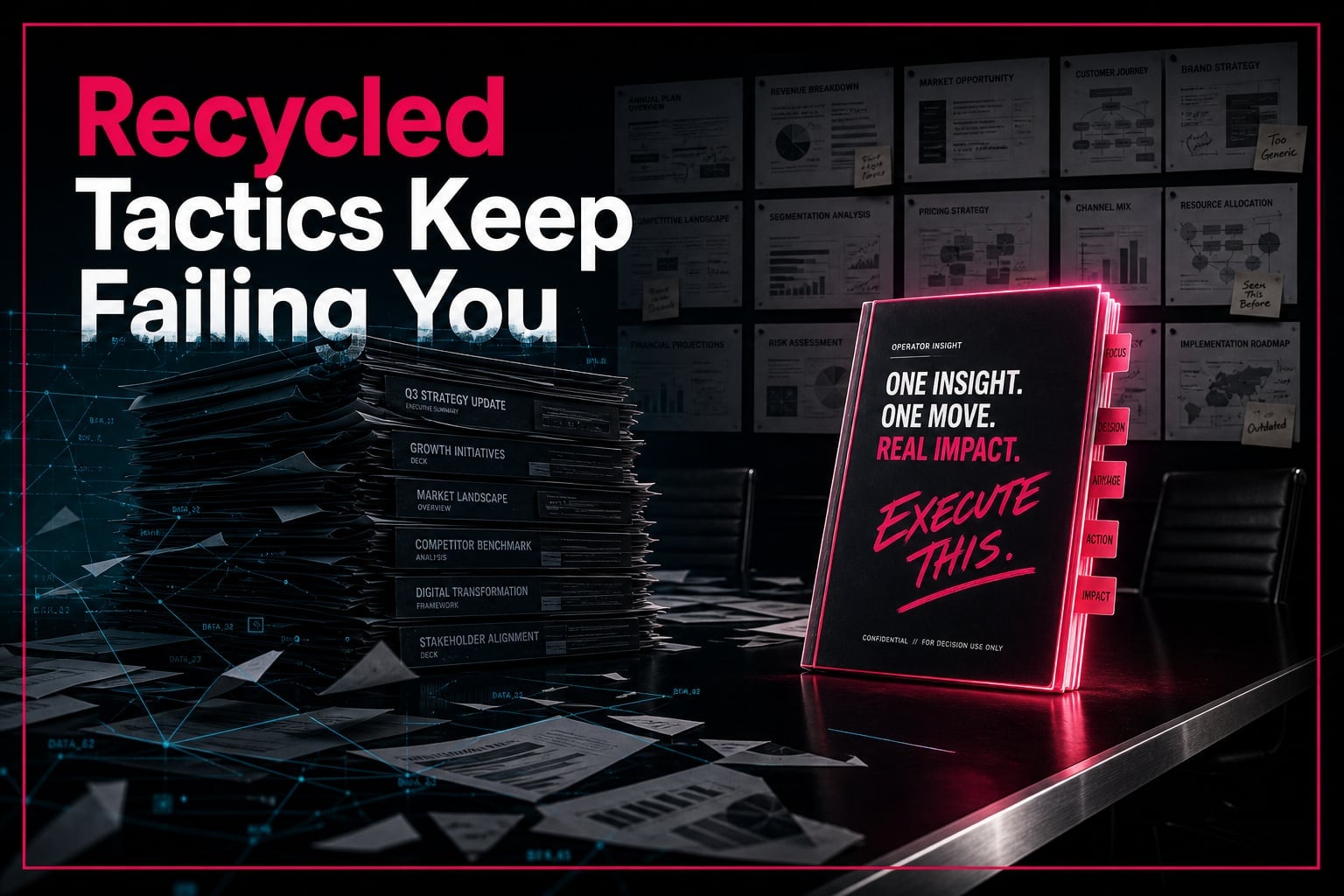
Decision paralysis in marketing is not a knowledge gap. It is a bias loop, and more information tightens the loop instead of breaking it.
Here is the number that should stop you cold: 86% of people say access to more data makes them feel less confident in their decisions, not more, according to The Decision Dilemma report.
You already sense this. You keep pulling another dashboard, hoping the “right” answer will surface. It will not, because the loop is internal, not informational.
The same report found 72% of people said data actively stopped them from deciding at all. That is not analysis. That is invisible biases shaping your marketing calls, quietly running the show while you think you are being rigorous.
Overconfidence hides in there too. Experts fall for it constantly, which is exactly why overconfidence bias in expert decision-making matters here: your gut is not neutral, and neither is your spreadsheet.
What Happens in a Single Expert Advisory Session
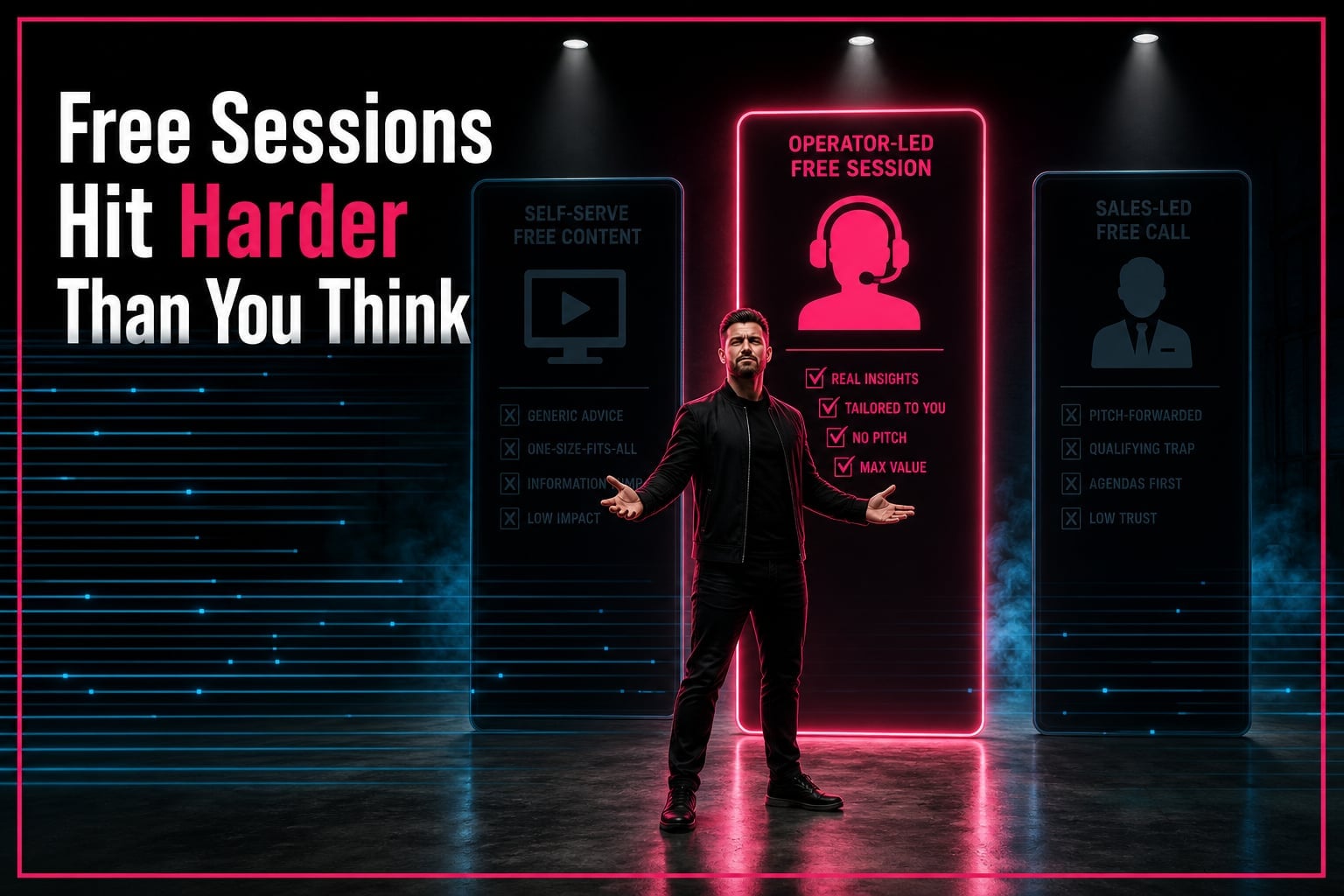
A structured expert session works by introducing a cognitive pattern-break: an outside perspective that names your blind spots, collapses your option set, and hands you a clear next move.
Picture this. You walk in with twelve campaign ideas and walk out with one. That is not magic, it is mechanism, and it runs in three moves: Diagnose, Reframe, Decide.
Diagnose means the expert asks the question you have been avoiding. Reframe means they strip your problem down to the one variable that actually matters. Decide means you leave with a next action, not a homework list.
This mirrors how experts make decisions in chaos: they do not gather more inputs, they cut inputs down. That is the opposite of what your instinct tells you to do under pressure.
It also explains why 74% of leaders scrap good ideas from confidence gaps, per Haus’s 2026 Confidence Index. They lack a second frame, not a second dataset. Borrowing cross-industry expert perspectives that sharpen strategy, or getting a read on team blind spots, does what your fourth internal meeting never could.
Three Ways to Make One Expert Conversation Actually Stick
Preparation, specificity, and a pre-committed decision rule turn a 45-minute expert chat into a permanent clarity upgrade, not a one-time pep talk.
Most marketers walk in with a vague ask like “help me think about strategy.” That gets a vague answer. Walk in with the exact decision, the deadline, and the two options you are stuck between.
Second, commit to a decision rule before the call starts. Write down: “If the expert says X, I choose A. If Y, I choose B.” This kills the urge to re-litigate afterward.
Third, treat one session as the start of an ongoing habit, not a one-off fix. Building access to the right expert voices means you get faster answers every time, not just this once.
Only 40% of leaders say their tools make decisive action easier, per Haus’s 2026 Confidence Index. Tools were never the fix. A sharp outside conversation, done right, is.
Ready to stop the second-guessing loop? Explore how a single expert conversation can hand you the clarity your next big marketing decision actually needs.