Why Cross-Industry Expertise Outperforms Single-Niche Mastery for Marketers
Most marketing advice tells you to niche down, specialize hard, and become the go-to person for one thing. That advice is costing you. Marketers who draw on cross-industry expertise consistently make sharper decisions, spot patterns earlier, and bring ideas that single-niche specialists simply cannot see. Here is why the generalist-versus-specialist debate is the wrong frame entirely.
Key Takeaways
-
Cross-industry expertise gives marketers a pattern library that single-niche mastery cannot build.
-
The real edge is not knowing more tactics. It is recognizing which tactic from another industry solves your current problem.
-
Companies engaged in strategic cross-industry partnerships report a 25% increase in revenue.
-
Strategic thinking, not channel depth, is the skill employers will pay most for in 2026.
How Does Cross-Industry Expertise Change the Way Marketers Think?
Cross-industry expertise is the ability to pull frameworks, patterns, and mental models from one sector and apply them to solve problems in a completely different one. It is not being a generalist. It is being a strategist with a wider lens.
Here is the uncomfortable truth: if every marketer in your industry reads the same blogs, attends the same conferences, and studies the same case studies, you are all recycling the same thinking. Single-niche mastery creates echo chambers. Cross-industry expertise breaks them.
Consider how Theresa Rynard, working across American Express, Rio Tinto, and CBRE, used offshoring knowledge from financial services to transform a cost-center at CBRE into a global hub of excellence, tripling its size. Her cross-industry move delivered results her niche-only peers could not have imagined.
Cross-industry experience helps C-level executives consider things from multiple perspectives and promote out-of-the-box thinking. From experience, 75% of the work with change management is the same regardless of industry, and 25% is industry-specific, which one can learn.
Glenn Agung Hole, PhD, Senior Researcher and Leadership Consultant, published via LinkedIn Pulse, September 2021
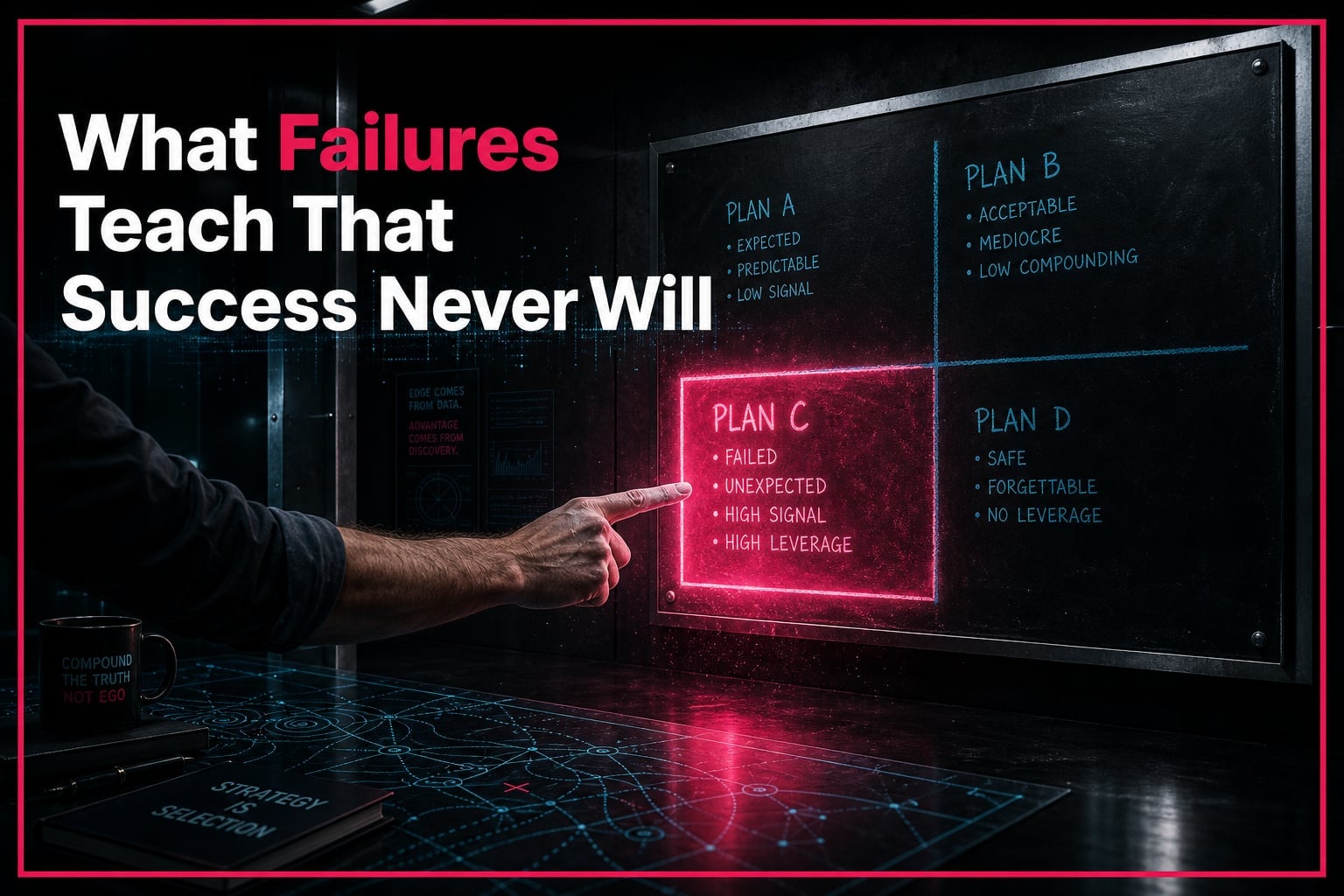
That 75/25 split is the key insight most marketers miss. The strategic bones of any marketing challenge are almost universal. The industry-specific layer is learnable. You are probably over-investing in the 25% and under-investing in the 75%.
Cross-industry thinking also makes you harder to replace. According to the World Economic Forum’s Future of Jobs Report, 44% of today’s tech skills may be obsolete by 2027. Tactics expire. Pattern recognition across industries does not.
What Tangible Benefits Do Marketers Gain from Cross-Industry Expertise?
Cross-industry marketing benefits are the measurable advantages that come when marketers apply proven ideas from outside their sector: faster problem-solving, sharper positioning, and decisions grounded in broader evidence rather than recycled niche playbooks.
You are probably benchmarking yourself only against direct competitors. That is the wrong comparison set. The most useful benchmarks come from adjacent industries where the customer psychology is similar but the tactics are different.
Think about how loyalty programs from aviation (frequent flyer miles) reshaped retail. Or how subscription mechanics from SaaS transformed how beauty brands like Dollar Shave Club and Birchbox acquired and retained customers. Neither innovation came from within the target industry.
coolest.marketing’s approach to marketing education reflects this directly. Their courses for marketers in the AI era pull from startup thinking, global strategy, and behavioral economics, not just digital marketing playbooks. The goal is to build decision-makers, not just executors.
The numbers back this up. Companies that prioritize innovation through cross-industry partnerships report 30% higher profitability than their competitors. That gap does not come from better ads. It comes from better thinking.
For freelancers and consultants, this is your pricing lever. When you bring a framework from fintech to a retail client, or apply a B2B lead nurture structure to a consumer brand, you stop competing on price. You compete on insight. That is a different market entirely.
Real-World Results: How Cross-Industry Thinking Drives Better Marketing Outcomes
Cross-industry marketing outcomes are the concrete business results that follow when marketers apply ideas borrowed from outside their sector: new campaign structures, sharper audience targeting, and revenue gains that same-sector thinking rarely produces.
Let us make this specific. Google’s collaboration with Ascension in healthcare used AI tools originally built for search and advertising to enable early disease detection. The marketing lesson: the targeting logic that works in paid search (intent signals, behavioral triggers, lookalike modeling) maps directly onto patient journey communications. Cross-industry collaborations like this show how frameworks built in one sector solve critical problems in another.
The 2026 marketing landscape rewards exactly this skill. As companies operate with leaner teams, a single marketer may be expected to manage social media, write content, handle basic design, and contribute to product marketing strategy. That breadth requirement is not a burden. It is an invitation to bring cross-sector thinking into every role.
coolest.marketing offers courses built around this reality, training marketers to think across contexts rather than deeper into a single channel. That is the shift from execution to impact.
The marketers winning right now are not the ones who know one industry cold. They are the ones who can walk into any room and say: “I have seen this problem before, just wearing different clothes.” That is cross-industry expertise in action.
Your Next Move
Pick one industry completely outside your current niche. Spend 30 minutes this week studying how they acquire customers, retain them, and handle churn. Write down three ideas that could transfer to your current work. That single exercise will do more for your strategic thinking than another tactics course ever will.