Why Gen Z Privacy Expectations Are Revolutionizing Marketing Strategies
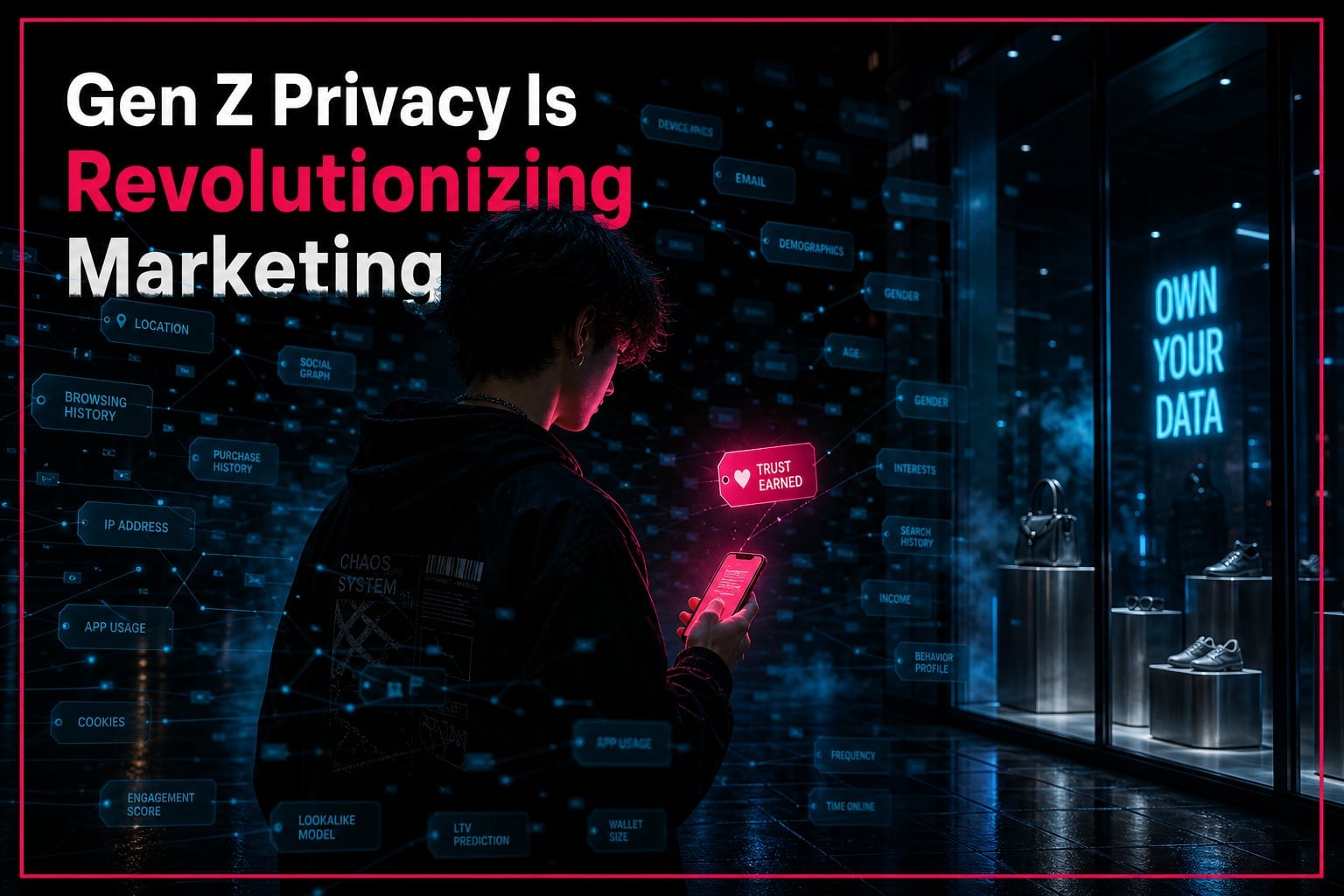
Gen Z privacy expectations are not about secrecy. They are about control. This generation shares more data than any before it, yet 35% have quit a social media platform over privacy concerns, per Usercentrics research. The paradox is the point, and most brands are still reading it wrong.
Key Takeaways
- Gen Z defines privacy as control over narrative, not protection from data collection.
- They share freely when the value exchange is clear and the brand is transparent.
- 61% of Gen Z worry more about embarrassing content exposure than cyberattacks.
- Privacy-first marketing means earning consent, not just requesting it.
- Brands that explain data use clearly win loyalty. Those that hide it lose it fast.
How Are Gen Z Privacy Expectations Different From Previous Generations?
Gen Z privacy expectations describe a generation’s demand for contextual control over personal data, shaped by growing up entirely inside digital systems rather than adapting to them.
Here is the thing most articles miss: Gen Z is not more privacy-conscious than older generations in the traditional sense. The Center for Generational Kinetics found that Gen Z is actually less concerned about online privacy than Gen X or Baby Boomers. But that does not mean they do not care. It means they care differently.
Older generations fear identity theft and credit card fraud. Gen Z fears something more personal: exposure. According to Malwarebytes research cited in BIC Magazine, 61% of Gen Z worry more about the exposure of embarrassing photos, mental health details, or sexuality than typical cybersecurity threats. Non-Gen Z clocks in at 55%.
This is a fundamental reframe. Privacy, for Gen Z, is reputation management. It is about who sees what, when, and why. They are not trying to hide from the internet. They are trying to own their story inside it.
Brands that treat Gen Z like privacy-averse consumers who need to be convinced to share are solving the wrong problem. UMass Dartmouth research found that 97% of Gen Z surveyed have active social media accounts. They are already sharing. What they want is a reason to trust you with the data they share.
coolest.marketing’s approach to this insight: treat privacy as a relationship dynamic, not a compliance checkbox. The brands winning with Gen Z are the ones who make the value exchange explicit from the first touchpoint.
What Psychological and Cultural Factors Drive Gen Z’s Privacy Demands?
The psychological drivers behind Gen Z’s data behavior are rooted in identity formation online, not fear of surveillance, making their privacy logic fundamentally different from every generation before them.
Gen Z grew up building their identities in public. Every post, story, and comment was a social signal. That means data is not abstract to them. It is personal. It is them. And they know it has value.
Gen Z is willing to make tradeoffs for online convenience and personalized experiences, without being naive about the value of their data. They are redefining what trust and transparency mean for brands, and their take is more nuanced than most marketers assume.
Chloé Skye Weiser, Content Strategist, Usercentrics, writing in the Usercentrics Magazine, October 2025
The Oliver Wyman Forum found that about 88% of Gen Zers were willing to share some personal data with a social media company, compared to only 67% of older adults. That willingness is conditional, not unconditional. The condition is transparency.
There is also a cultural layer here. Gen Z came of age during Cambridge Analytica, TikTok congressional hearings, and endless cookie consent pop-ups. They are not naive. Experian’s 2025 research shows that 52% of Gen Z are now anxious about online privacy and misinformation, and concern about scams in the 18-24 age group has nearly tripled in a single year.
You are probably treating privacy anxiety as a barrier to conversion. Flip it. That anxiety is an opening. Gen Z is primed to reward brands that address it head-on with plain-language data policies and genuine opt-in moments.
How Should Brands Adapt Their Marketing Strategies for Gen Z’s Privacy Revolution?
Privacy-first marketing for Gen Z means building data collection around visible value exchange, explicit consent, and plain-language explanation, not around legal minimums or buried opt-outs.
Stop chasing data you do not need. Gen Z notices. Forrester reports that over 90% of US online adults now use at least one tool to protect their privacy, a stark increase since 2023. This audience is actively managing what you can see. Work with that, not against it.
Here is a three-part framework we call “Earn, Explain, Exchange”:
- Earn: Build trust before you ask for data. Give value first. A discount, useful content, or a personalized quiz earns the right to ask.
- Explain: Tell Gen Z exactly what you collect and why, in one sentence, not a 12-page policy. Apple’s App Tracking Transparency prompt is the gold standard: one screen, one choice, zero ambiguity.
- Exchange: Make the trade explicit. Usercentrics found that 41% of Gen Z say online ease is worth the data trade-off, compared to 29% of Boomers. They will share when the benefit is clear.
Loyalty follows transparency. SheerID research shows that 66% of Gen Zers who find a brand they like will keep buying from that brand. The unlock is trust. Get the privacy posture right once, and you have a customer who sticks.
coolest.marketing’s marketing courses for the AI era cover exactly this shift: how to build consent-first campaigns that convert without compromising the audience relationship.
Your next move is concrete: audit your current data collection forms. Remove every field you cannot explain in one plain sentence. Then add a single line above your opt-in that says what you will do with the data and what the person gets in return. Test it against your current form. Watch the trust signal move.