Post SEO Marketing: Why Authority Ecosystems Are the Future of Growth
Post SEO marketing is not a trend. It is a structural shift in how brands get found, trusted, and chosen. And most founders are still playing the old game.
Google processes over 8.5 billion searches every day, per SeoProfy’s 2026 research. But AI Overviews, zero-click results, and generative search are eating the clicks that used to flow to your blog. The traffic is there. The benefit is not reaching you.
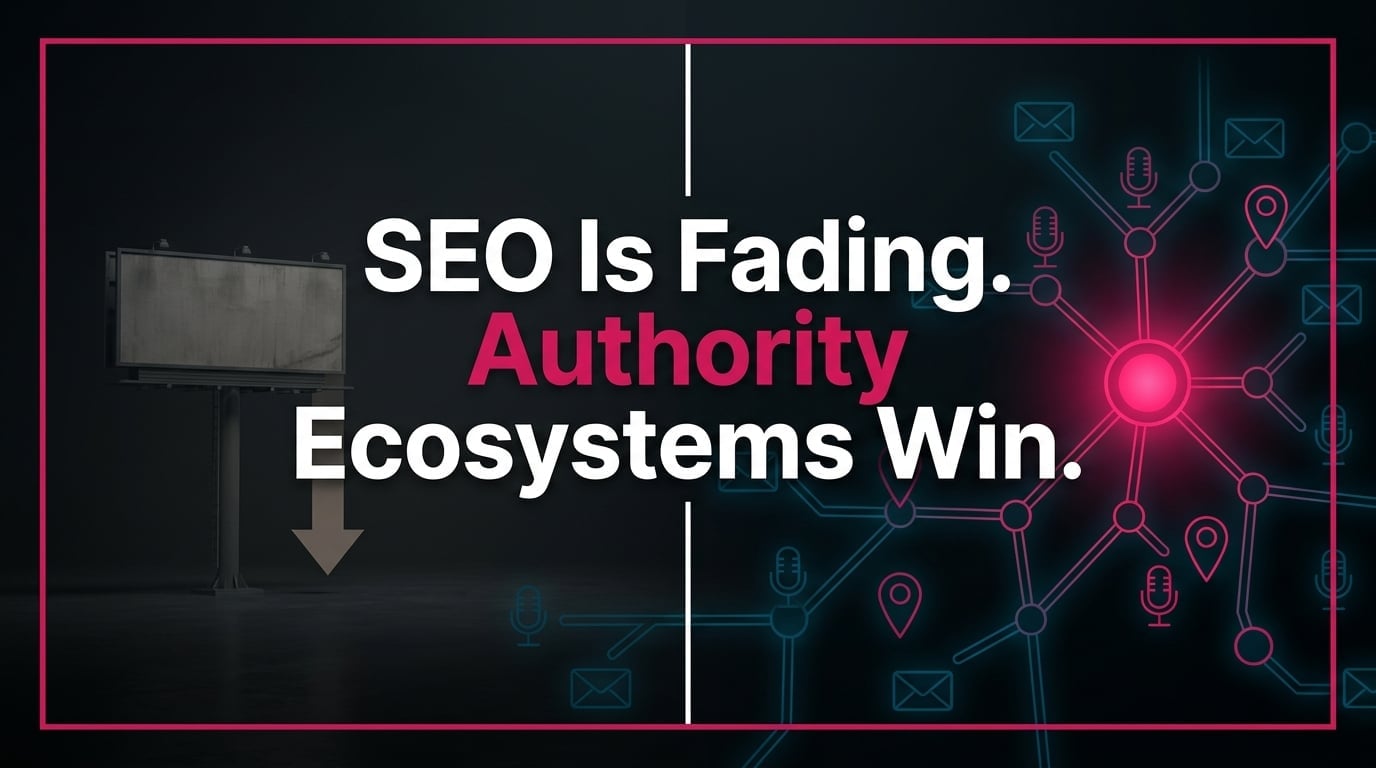
Here is the gap every competing article misses: the problem is not that SEO is dead. The problem is that SEO was never a growth strategy. It was a distribution tactic. And when distribution breaks, brands with no underlying authority have nothing left.
How Did Traditional SEO Lose Its Power?
Traditional SEO is the practice of optimizing web pages to rank higher in search engine results, primarily through keywords, backlinks, and technical site health.
It worked brilliantly when Google surfaced ten blue links and users clicked them. That world is gone. Exploding Topics projects that AI-generated answers will handle a growing share of informational queries by 2026, reducing organic click-through before users ever reach your site.
You are probably still measuring success by keyword rankings. Here is why that costs you: rankings tell you where you appear, not whether anyone trusts you enough to act. Authority does that job. Rankings cannot.
Guest posting, which many SEO teams still rely on for link-building, still drives referral traffic and domain authority when done right, but it is a single tactic. A single tactic is not a system.
What Are Authority Ecosystems and How Do They Work?
An authority ecosystem is an interconnected set of content, community, and credibility signals that together make a brand the obvious choice in its category, independent of any single algorithm.
Think of it as three interlocking layers. First, a content layer: original thinking published consistently across owned and earned channels. Second, a community layer: real people who advocate for you because you gave them something valuable. Third, a credibility layer: third-party signals like podcast appearances, co-authored research, and expert quotes that confirm your expertise to strangers.
Ecosystem marketing maps your market beyond customers to reach key decision-makers through multiple reinforcing touchpoints. That is the structural difference from SEO. SEO targets a query. An ecosystem builds a reputation.
Authority shortens the trust cycle and collapses time-to-close. Marketing that builds authority drives organic reach, engagement, and visibility simultaneously.
Cindy Aragon, LinkedIn Pulse, “Want More Authority? Build an Ecosystem That Fuels Awareness and Trust”
How Can Marketers Transition to Post SEO Marketing with Authority Ecosystems?
Transitioning to post SEO marketing means shifting your investment from ranking individual pages to building compounding credibility across channels and communities.
Here is a practical three-step framework:
- Pick one persona, deeply. Stop writing for keywords. Write for a specific person with a specific problem. Every piece of content should make that person feel understood, not informed.
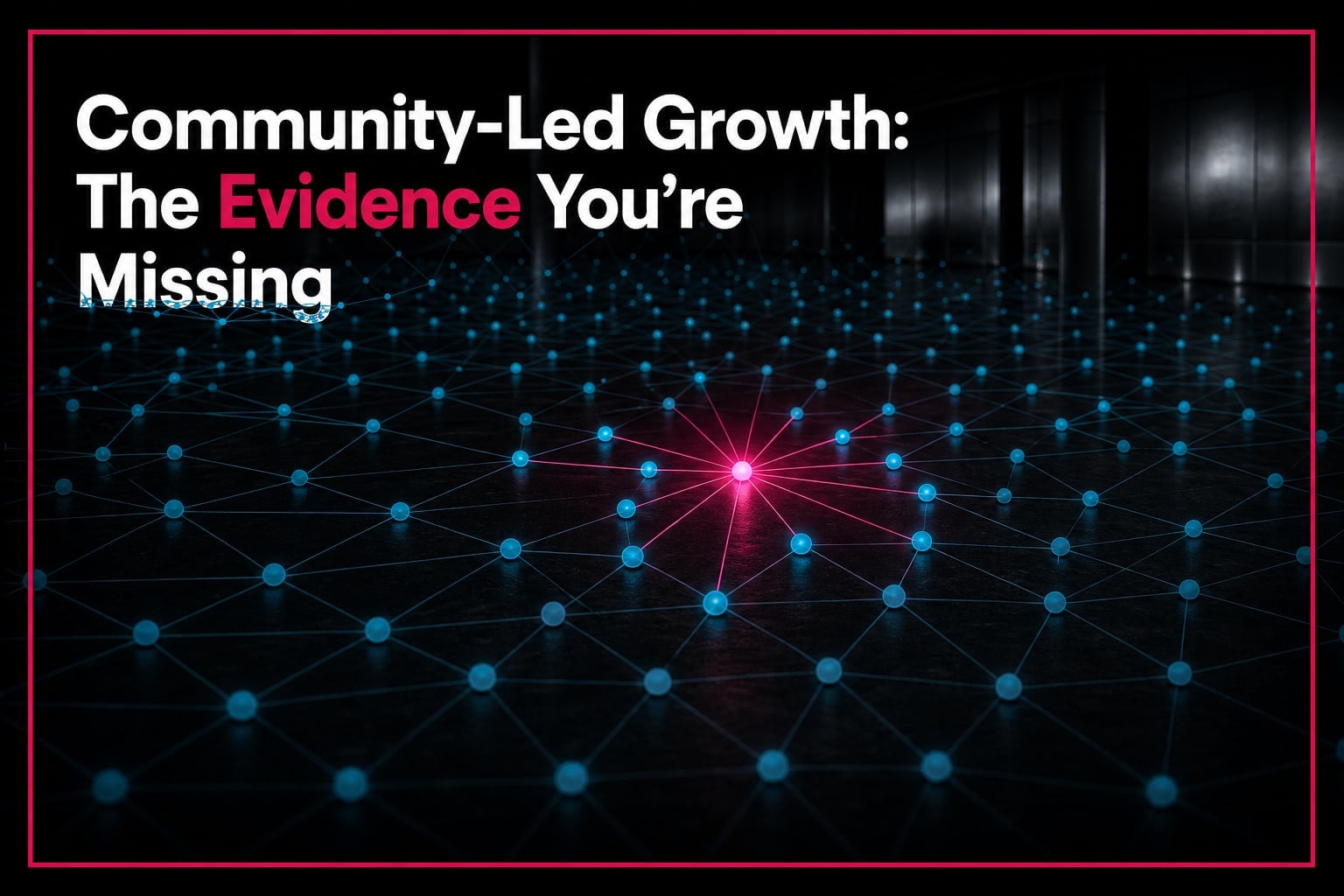
- Invest in your community as a channel. HubSpot defines community marketing as bringing customers and advocates together around shared challenges. That shared context creates trust faster than any blog post.
- Create credibility signals outside your own site. Podcast appearances, collaborative research, and expert roundups all tell a stranger: other serious people vouch for this brand.
coolest.marketing’s approach to this transition is grounded in structured learning for marketers operating in the AI era. Their courses give founders and marketing leads the frameworks to build these ecosystems without guessing or outsourcing the thinking entirely.
HubSpot’s 2026 State of Marketing report shows small businesses are 23% more likely than average to see ROI from blog posts. That stat only holds when the content is part of a broader authority system, not a standalone keyword play.
Case Study: Real-World Results from an Authority Ecosystem Approach
A real authority ecosystem case study shows what happens when content, community, and credibility stack together over time instead of chasing individual rankings.
Morning Brew built its authority ecosystem around a distinct editorial voice and a community of business professionals who shared the newsletter because it made them look smart. The product was not just content. It was identity. That community-first model reportedly helped Morning Brew reach millions of subscribers before its acquisition by Insider Inc.
The mechanism matters more than the brand name. Morning Brew did not rank for “business news.” It became the answer people gave when asked “what should I read?” That is authority. SEO cannot manufacture it.
coolest.marketing offers a structured path to the same outcome, specifically for founders and marketers who want to stop depending on agencies and start building something that compounds.
Key Takeaways: Future-Proofing Your Post SEO Marketing Strategy
Future-proofing your post SEO marketing strategy means building assets that grow in value regardless of algorithm changes: community trust, expert credibility, and original thinking.
Three things to do this week:
- Audit your current content. Ask: does any of it build authority, or does it only chase clicks?
- Identify one community where your ideal customer already spends time. Show up there with something genuinely useful.
- Commission or co-create one piece of original research or expert content. Third-party credibility is the fastest trust shortcut available.
Thought leadership content with transactional intent delivers a 748% ROI, per AIOSEO’s 2026 data. That number only makes sense when the content sits inside an ecosystem that converts trust into action. Build the ecosystem first. The ROI follows.